
Are you looking to enhance your business operations and streamline processes? Meet DGH A, a powerful tool designed to revolutionize how organizations function. Whether you’re a small startup or an established enterprise, understanding the key features of DGH A can unlock new levels of efficiency and productivity. With its innovative approach, this game-changing solution is making waves in various industries. Let’s dive into what makes DGH A essential for modern businesses and explore how it can transform your operations for the better.
Benefits of DGH A for Businesses
DGH A offers a multitude of advantages tailored for businesses seeking efficiency and growth. One primary benefit is enhanced operational efficiency. By automating routine tasks, DGH A frees up valuable time for teams to focus on strategic initiatives.
Another significant perk is improved decision-making capabilities. With advanced analytics features, businesses can leverage data insights to drive smarter choices and identify market trends swiftly.
Cost savings also play a crucial role. By streamlining processes, companies can reduce overhead costs while boosting productivity. This means better resource allocation without sacrificing quality.
Collaboration becomes effortless with DGH A’s integrated tools. Teams can communicate seamlessly across departments, fostering innovation and teamwork.
Flexibility stands out as a major advantage. DGH A adapts easily to various business models and scales according to needs, ensuring that organizations remain competitive in an ever-evolving landscape.
Features of DGH A
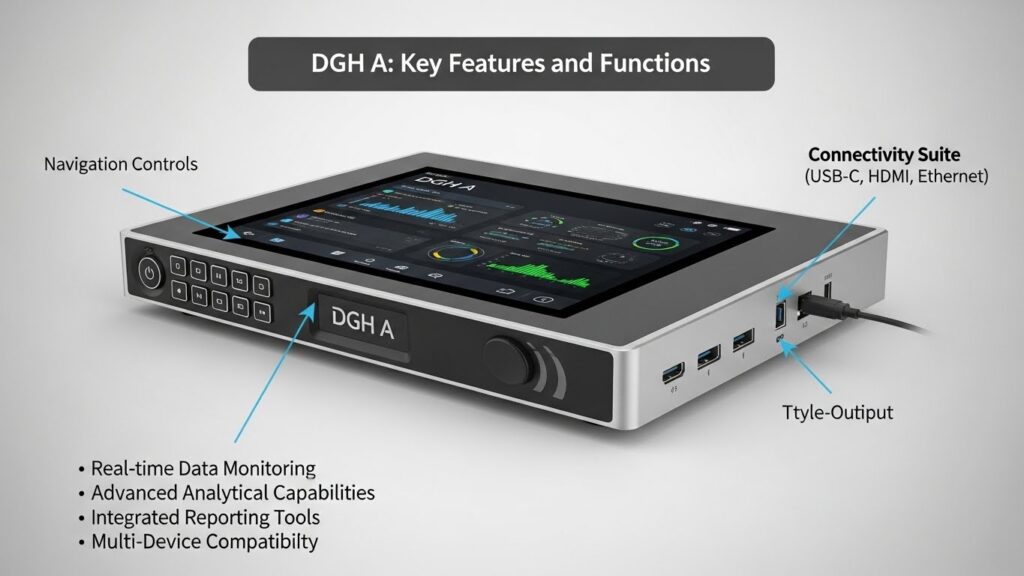
DGH A boasts a variety of features designed to enhance efficiency and streamline operations. Its user-friendly interface allows for seamless navigation, making it accessible even for newcomers.
One standout feature is the robust analytics dashboard. This tool provides real-time insights into performance metrics, helping businesses make informed decisions quickly.
Another key aspect is the integration capabilities with existing software solutions. DGH A can easily sync with tools that organizations already use, minimizing disruption during implementation.
Collaboration tools within DGH A facilitate teamwork across departments. Users can share files and communicate in one place, boosting productivity and reducing miscommunication.
Its customizable settings empower users to tailor functionalities according to specific business needs. This flexibility ensures that teams get precisely what they need without unnecessary clutter or complexity.
How to Use DGH A
Getting started with DGH A is straightforward. First, sign up for an account on the platform’s website. This grants you access to a user-friendly dashboard.
Once logged in, explore its features through interactive tutorials. These guided sessions can help you understand key functionalities quickly.
Next, set your preferences according to your business needs. Customize settings like notification alerts and data visualization options for a more personalized experience.
To maximize efficiency, integrate DGH A with existing tools that your team already uses. Seamless integration enhances workflow without disrupting current processes.
After setup, begin by inputting relevant data into the system. Regular updates ensure that you get accurate analyses and reports tailored to your objectives.
Engage with the community forums or customer support if questions arise. Connecting with other users can provide useful insights and tips for leveraging DGH A effectively.
Case Studies: Success Stories with DGH A
DGH A has proven its value across various industries, showcasing impressive results.
One notable case involved a retail company that integrated DGH A into their inventory management. They saw a 30% reduction in stock discrepancies within just three months. This not only improved efficiency but also enhanced customer satisfaction.
Another success story comes from the tech sector. A startup utilized DGH A for project tracking and collaboration among teams. By streamlining communication, they increased project delivery speed by 25%.
Healthcare providers have also benefited from adopting DGH A. One hospital implemented it to manage patient records more effectively and reduced administrative errors significantly, leading to better patient care.
These examples highlight how diverse applications of DGH A lead to tangible improvements, demonstrating its adaptability and impact on business growth across sectors.
Common Mistakes to Avoid when Using DGH A
Using DGH A can be transformative, but there are pitfalls to dodge. One common mistake is neglecting proper training. Users need a solid understanding of the platform’s capabilities for optimal results.
Another frequent error is underutilizing available features. Many find themselves using only basic functions while missing out on advanced tools that could enhance performance and efficiency.
Ignoring data analytics can also hinder progress. Regularly reviewing insights helps identify areas for improvement and drives better decision-making.
Failing to adapt strategies based on feedback often leads to stagnation. Continuous evaluation and adjustment are key to leveraging DGH A effectively in any business context.
By steering clear of these missteps, users can maximize their experience and harness the full potential of DGH A.
Conclusion and Future Outlook for DGH A
The landscape of business operations is continuously evolving, and DGH A stands at the forefront of this transformation. With its robust features and benefits tailored to enhance efficiency, it has become a vital tool for many organizations. As companies recognize its potential, we can expect an increasing number of success stories to emerge.
Looking ahead, advancements in technology will likely further refine DGH A’s capabilities. Integrations with emerging platforms may provide even deeper insights and more seamless workflows. Businesses will need to stay agile and open-minded as they adopt these innovations.
Embracing DGH A now not only positions businesses advantageously today but also prepares them for future challenges in an ever-competitive market. Adapting to such tools could well be what sets industry leaders apart from the rest in years to come.